Buying secondhand can save money, uncover hidden treasures, and reduce waste. But not every item is worth taking home. Some used items come with hidden risks, safety concerns, or costs that outweigh the savings. Knowing what to avoid helps you thrift smartly and protects your health, finances, and peace of mind.
1. Mattresses and Bedding
Used mattresses, pillows, and comforters may seem like a bargain, but they carry health risks.
-
Why to Avoid: Mattresses can harbor dust mites, bed bugs, bacteria, and allergens. Pillows and comforters absorb sweat, oils, and other contaminants that are difficult to fully sanitize.
-
Better Option: Always buy new mattresses, pillows, and bedding for hygiene and long-term comfort.
2. Helmets and Car Seats
Safety equipment is not meant to be reused after impact or prolonged wear.
-
Why to Avoid: Helmets, car seats, and baby carriers can be compromised by prior use or unseen damage, making them unsafe.
-
Better Option: Always purchase new safety gear. Even small cracks or unseen weaknesses can lead to serious injury.
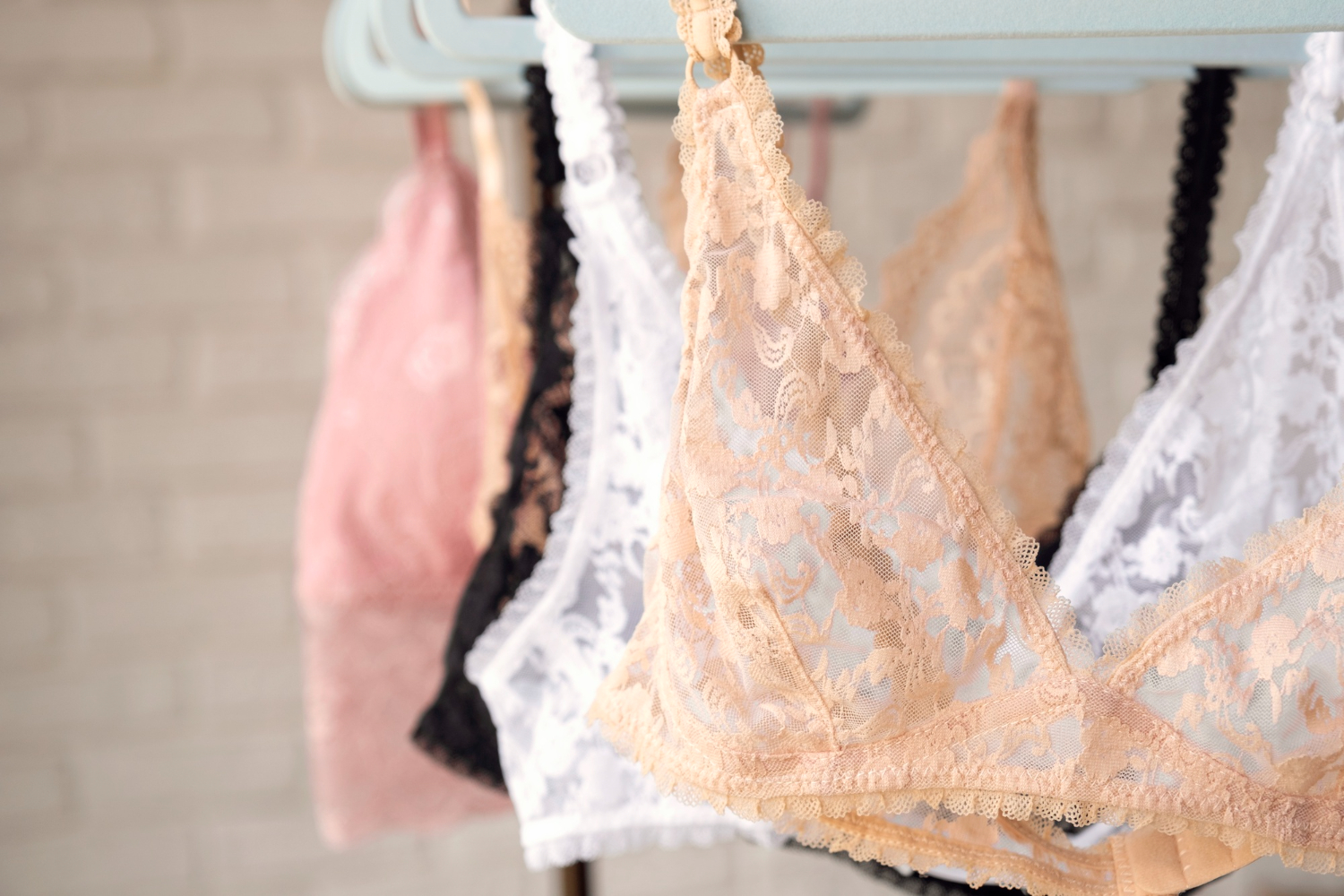
3. Underwear and Swimwear
Personal items like underwear and swimwear are best left new.
-
Why to Avoid: These items are intimate and difficult to fully sanitize. Used underwear or swimsuits can carry bacteria, viruses, or fungi.
-
Better Option: Buy these items new for hygiene and comfort.
4. Certain Electronics
While many electronics are great secondhand, some items come with risks.
-
Why to Avoid: Used earbuds, headphones, and certain battery-powered devices can have degraded batteries or hidden damage. Older appliances may also lack safety certifications or have internal defects.
-
Better Option: Test electronics thoroughly and avoid high-risk items like devices with lithium batteries if their history is unknown. Stick to electronics that can be inspected or reset fully.
5. Car Tires
Tires may look fine on the outside but degrade internally over time.
-
Why to Avoid: Even a few years of use can reduce tread life and safety. Age, wear, or unseen punctures can make used tires dangerous.
-
Better Option: Buy tires new or certified refurbished from reputable sellers who guarantee safety.
6. Cribs and Baby Furniture
Used cribs and baby furniture can pose hidden safety hazards.
-
Why to Avoid: Older cribs may not meet current safety standards, and structural wear can create gaps or instability. Paint may contain harmful chemicals or lead.
-
Better Option: Purchase new or certified secondhand furniture that meets current safety regulations.
7. Items with Unknown Histories
If you cannot verify an item’s origin, age, or condition, it may not be worth the risk.
-
Examples: Old electrical appliances, medical devices, or cosmetic tools.
-
Why to Avoid: Hidden defects or contamination can lead to injury, illness, or additional expenses to repair.
-
Better Option: Buy new or from trusted sellers with clear provenance and guarantees.
Practical Tips for Safer Thrifting
-
Ask Questions: Don’t hesitate to ask about the item’s history, usage, or any repairs.
-
Inspect Carefully: Check for cracks, mold, frayed wires, or other signs of damage.
-
Trust Your Gut: If something seems risky, outdated, or too worn, it’s better to leave it behind.
Secondhand shopping is rewarding when you know what to seek and what to avoid. Mattresses, underwear, helmets, car seats, certain electronics, and items with uncertain histories are generally too risky to buy used.
By steering clear of these high-risk items, you can focus on safe, worthwhile purchases that save money, reduce waste, and provide lasting value. Smart thrifting is about balance: enjoy the hunt, but know when the risk outweighs the reward.