
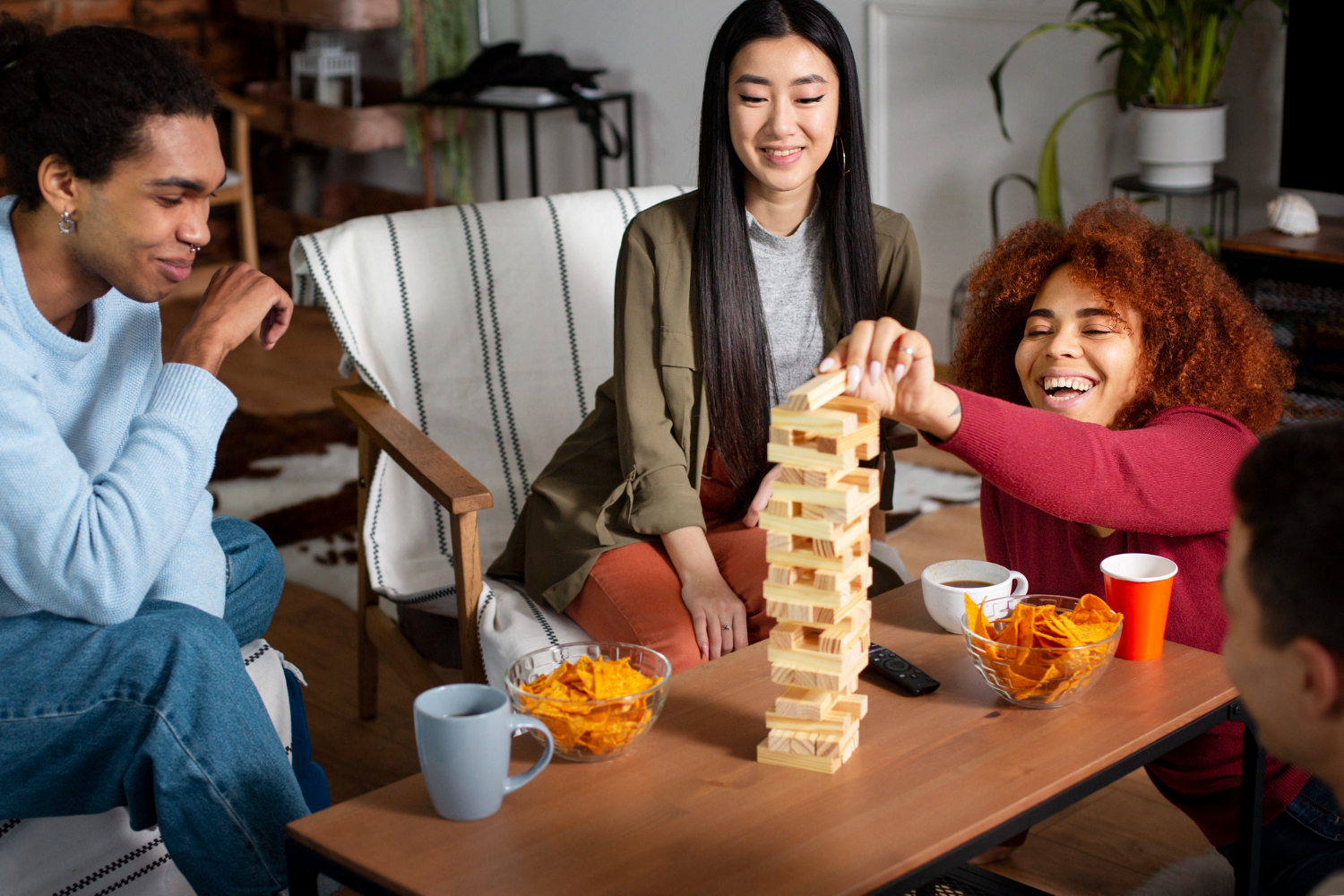
A lively game night can bring friends and family together without costing a fortune. Hosting at home saves money on dining out, entertainment fees, and travel, while giving you full control over the vibe, food, and games. With a few simple strategies, you can throw a memorable game night that everyone will enjoy—without stretching your wallet.
Step 1: Plan Your Guest List Wisely
Decide how many people you want to invite. A smaller group can make it easier to manage games, snacks, and seating, while a slightly larger group can increase energy and excitement.
-
Keep the list manageable to avoid overspending
-
Choose guests who enjoy interactive games and group activities
Knowing the number of players helps you plan games, snacks, and seating efficiently.
Step 2: Choose Games You Already Own
You don’t need to buy new games to have fun. Look around your home for:
-
Board games like Monopoly, Scrabble, or Clue
-
Card games such as Uno, Rummy, or Poker
-
DIY trivia or charades using pen and paper
If friends have games you haven’t tried, ask them to bring them along. Rotating games keeps the night fresh without extra cost.
Step 3: Set a Theme or Structure
A theme adds excitement and can make the night feel special:
-
Classic board game night
-
Card game tournament
-
Trivia and quiz night
-
Cooperative team games
Even a simple theme makes planning easier and gives guests something to anticipate.
Step 4: Keep Snacks Affordable and Easy
Food doesn’t have to be fancy. Budget-friendly snacks work perfectly:
-
Popcorn, chips, or pretzels
-
Veggies with dip
-
Homemade finger foods like mini sandwiches or pizza bites
-
Encourage a potluck: guests bring one dish to share
Homemade snacks are cheaper, healthier, and allow you to cater to dietary needs.
Step 5: Make Drinks Simple
Keep beverages simple to avoid overspending:
-
Water, iced tea, or lemonade
-
Homemade punch or mocktails
-
Encourage guests to BYOB if appropriate
Simple drinks keep the focus on the games and reduce costs.
Step 6: Create a Comfortable Space
You don’t need fancy decor or furniture. Just make sure your space is welcoming and functional:
-
Clear a table or floor space for board or card games
-
Arrange seating so everyone can participate comfortably
-
Use ambient lighting or music to enhance the mood
Comfortable space encourages longer play and keeps energy high.
Step 7: Plan the Flow
A little structure keeps the night from feeling chaotic:
-
Start with shorter or icebreaker games to get everyone engaged
-
Move into longer, competitive, or team-based games
-
Finish with a fun, light game to end on a high note
Planning the flow helps prevent downtime and keeps excitement levels up.
Step 8: Keep It Fun and Low-Stress
The most important part of game night is enjoyment, not perfection:
-
Focus on fun over competition
-
Be flexible with rules if it keeps everyone laughing
-
Celebrate small wins and funny moments
A relaxed atmosphere makes guests want to return for future game nights.
Hosting a fun game night at home doesn’t require a big budget. By using games you already have, keeping snacks simple, and creating a comfortable space, you can create memorable moments without overspending.
Game nights are about connection, laughter, and shared experiences. With some planning and creativity, your at-home game night can be a highlight of the week—proving that the best entertainment doesn’t have to come with a price tag.